Who Owns Your Medical Records? Patient Rights, Access, and Consolidation
Who owns your medical records, what you can legally request under HIPAA, how to get copies, and how to consolidate records from multiple providers.
Stay informed with tips, guides, and insights from the ELDR team on managing your health records, protecting your data, and living with confidence.

Who owns your medical records, what you can legally request under HIPAA, how to get copies, and how to consolidate records from multiple providers.

Complete checklist of important documents to organize, how long to keep each, and how to store them for emergencies, claims, and peace of mind.

Learn what a digital vault is, what belongs in one, and how to set up a secure vault for medical, financial, and insurance documents.

Build a Family Operating System that keeps your household running: shared plans, fair roles, weekly rhythms, and secure document storage.

Managing health records for an aging parent is overwhelming. Multiple providers, dozens of medications, and scattered paperwork. Here's a practical guide to getting organized — and staying that way.

Traveling abroad is exhilarating — until a medical emergency strikes in a country where no one knows your history. Here's how to prepare for the unexpected and travel with confidence.

When a medical emergency strikes, families don't always have quick access to the details doctors need. To address this, Elaine Hoyt launched ELDR, a Rockford-based company that keeps vital information in one accessible place so that no one is left guessing.

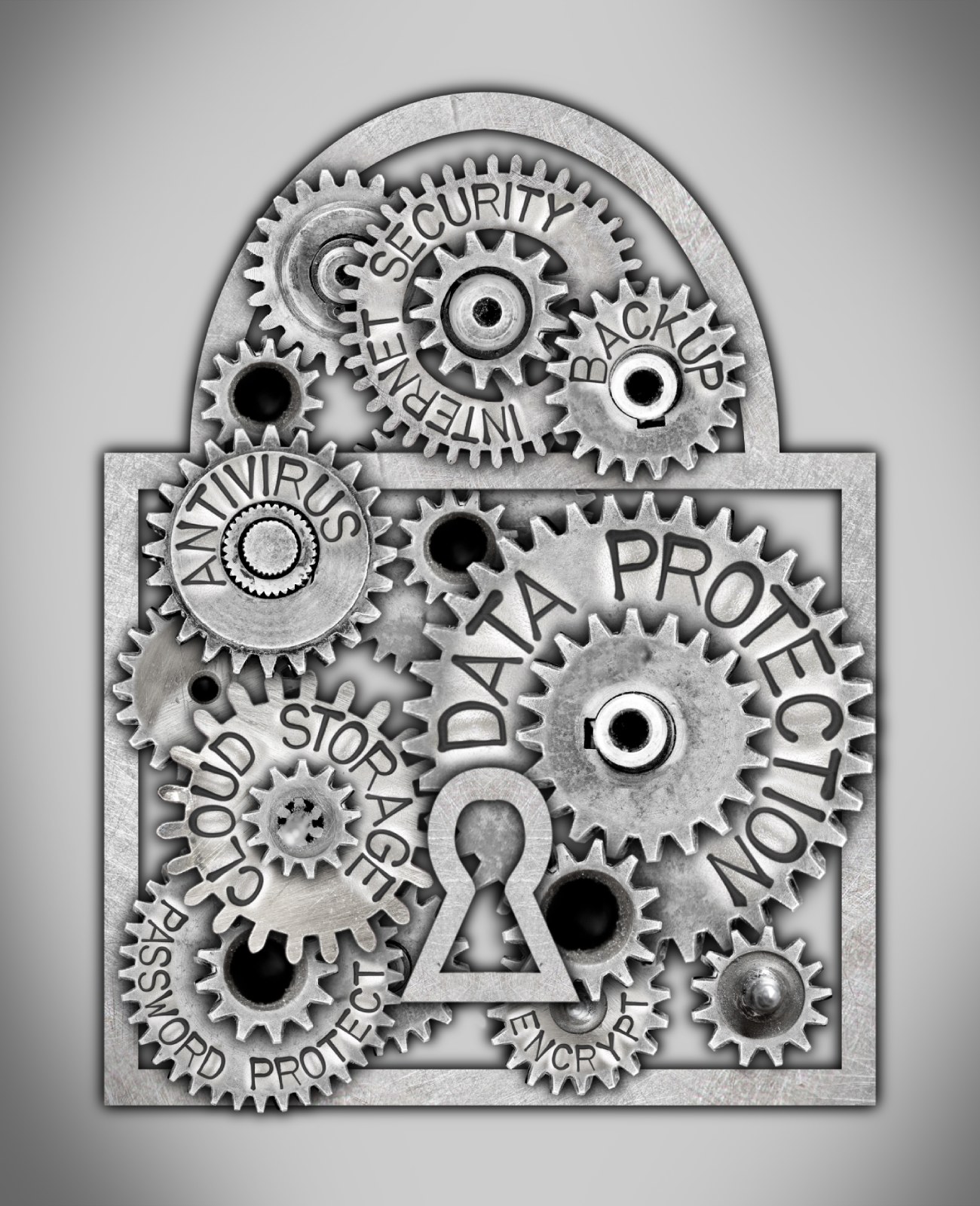
HIPAA protects your health information, but most people don't know what that really means day-to-day. We break down the essentials and explain how ELDR keeps your data safe and compliant.

Disorganized medical records can lead to dangerous medication errors and delays in treatment. Discover how centralizing your health data with ELDR can make a critical difference in an emergency.